A grand vision in Pearcedale
Located on the fringes of Mornington Peninsula suburbia, a 25 acre natural wonderland serves as a critical refuge for threatened Australian wildlife. Moonlit Sanctuary Wildlife Conservation Park in Pearcedale focuses on genuine environmental protection. Founder Michael Johnson built the biopark to halt the rapid extinction of regional fauna.
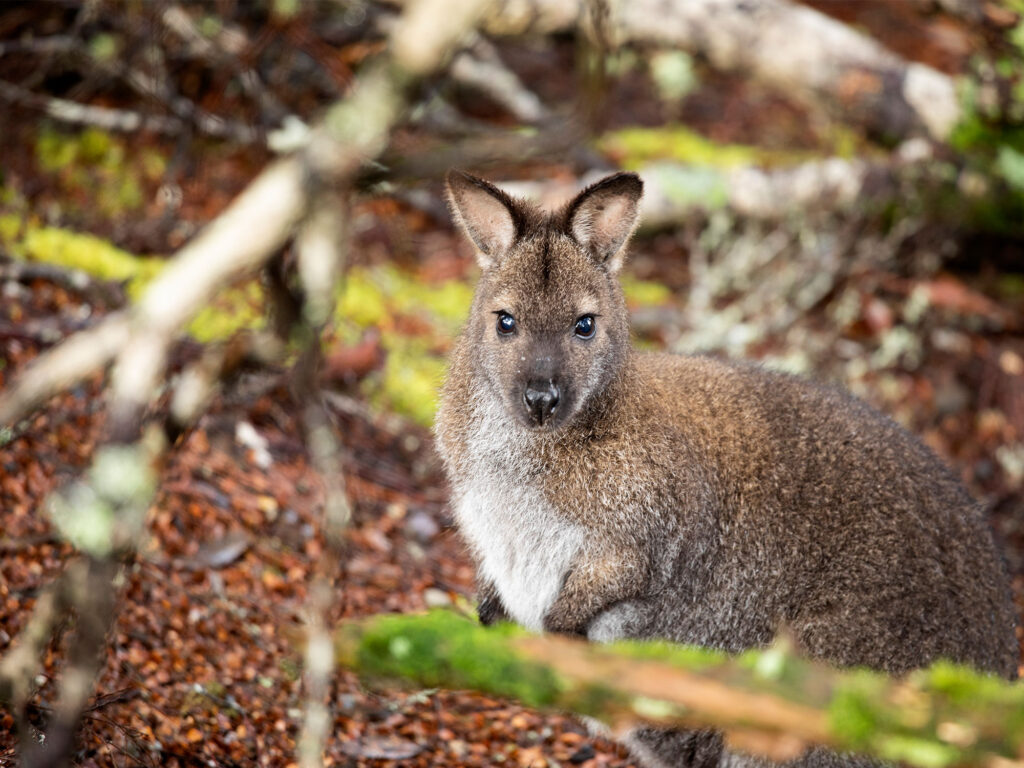
According to Liz Bell of MPNEWS, Johnson fulfilled a childhood dream by transforming a former agricultural property into a feral-free environment. The project required planting over 10,000 native trees to restore the landscape. Today, the park houses over 60 native species in enclosures that replicate authentic bushland.
The sanctuary prioritises species recovery rather than simple entertainment. Rare creatures roam safely through protected environments. This considered approach allows guests to observe wildlife while respecting animal welfare.
Evening walks provide an immersive experience for guests of all ages. Guides help visitors spot nocturnal animals such as squirrel gliders and bettongs without disrupting their delicate natural rhythms. Observing these elusive creatures fosters a deeper understanding of local ecosystem dynamics.
Safeguarding threatened species
The sanctuary actively participates in captive breeding programs to secure the long-term survival of endangered species. Peter Strachan reports that the Pearcedale location leads critical recovery efforts for the orange-bellied parrot.
Keeper Lisa Tuthill notes that these beautiful parrots rank among the most critically endangered birds in the world. By maintaining strict care protocols, the sanctuary protects a delicate species facing near total collapse in the wild.
Staff also care for two injured wedge-tailed eagles that cannot safely return to the wild. A 30 metre wire-free aviary gives the large birds of prey ample room to fly. This hands-on approach directly addresses the devastating impact of habitat loss.
Aquatic conservation and education
Conservation efforts extend well beyond terrestrial animals and birdlife. A newly opened Aquatic Fauna Conservation Facility marks an exciting era for freshwater species. The space provides a safe haven for threatened aquatic life native to the region.
Mornington Peninsula News Group reports that this purpose-built centre features advanced controls to replicate natural waterways. Staff can precisely manage water quality and temperature to suit specific species requirements. The facility supports vital long-term research programs.
Additionally, the South East Water Discovery Lab enables students to monitor the health of Langwarrin Creek. Participants test water quality and survey invertebrates to track local pollution levels.
These biological indicators help protect native fish, frogs, and platypus populations. Through comprehensive research and community involvement, Moonlit Sanctuary proves that local action can drive meaningful environmental change.