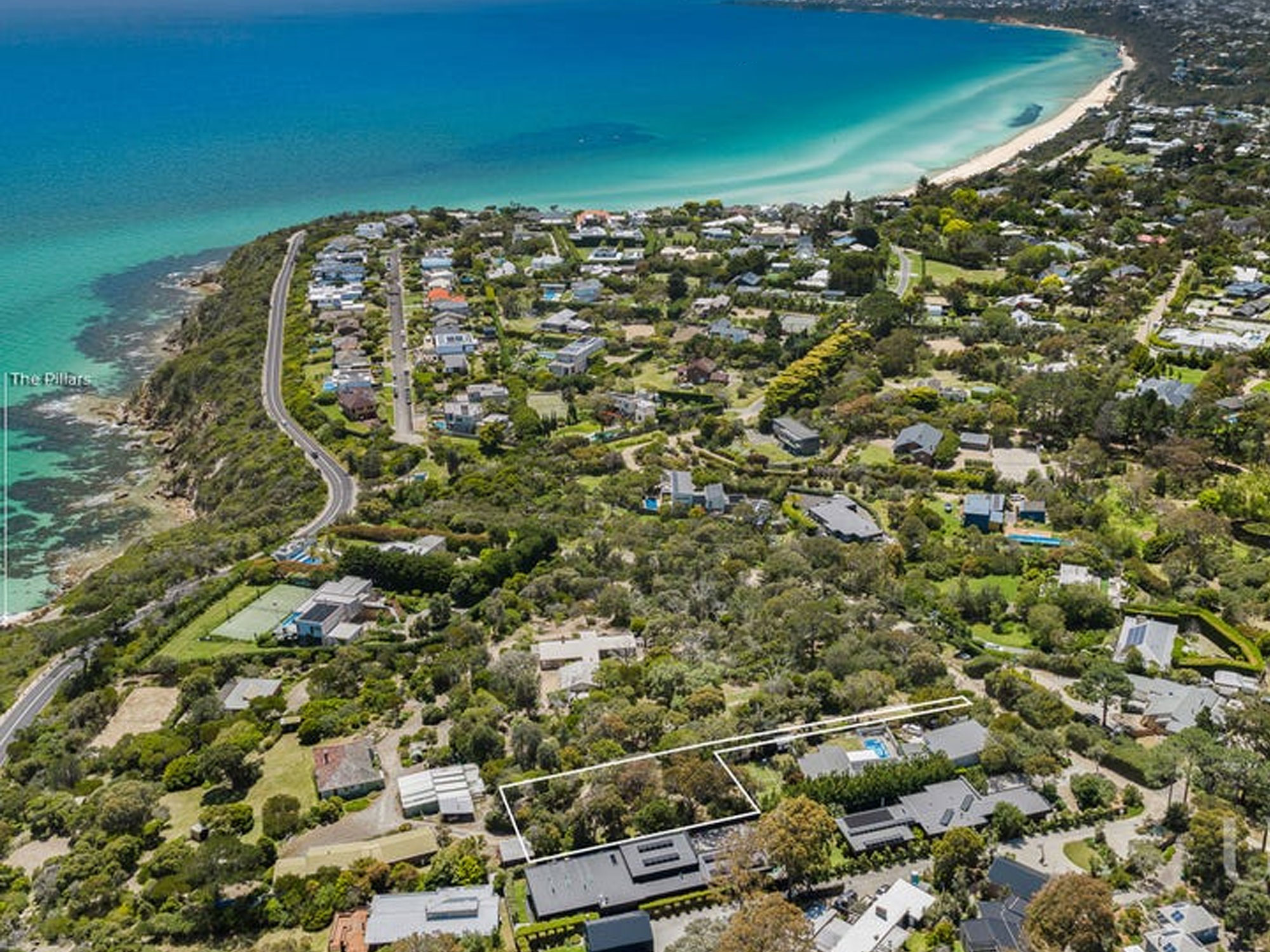
In Mount Eliza, a quiet tension shapes the local streets. A desire for sweeping modern luxury meets a fierce commitment to historical preservation. The coastal suburb features some of the most historically significant estates on the Mornington Peninsula alongside a growing wave of contemporary design.
The modernist foundation
The architectural lineage of the area dates back over 100 years. According to an editorial feature by Domain, the suburb is frequently credited as the birthplace of Australian modernist architecture, stemming from the Ranelagh Estate designed by Walter Burley Griffin and Marion Mahony Griffin. Their progressive environmental ideals laid a foundation that prioritised the natural landscape over dominating built forms.
The Griffins envisioned a community where homes blended into the native vegetation rather than clearing it away entirely. Mature tuart trees and coastal banksias were integrated into the winding, curvilinear street pattern. This careful attention to the organic environment established a benchmark for how residential living could respect the bay area.
Today, new buyers flock to the coastline in search of scale and sophistication. Property journalist Alesha Capone of Realestate.com.au notes that buyers are increasingly drawn to newly constructed properties with international influences. She highlights recent developments priced at over five million dollars, sitting on blocks exceeding 1000 sq m, which showcase a strong appetite for lavish global design.
Navigating the planning framework
Merging new architectural ambitions with older streetscapes requires careful navigation. Barbara Yerondais, Principal Architect at BY Projects Architecture, explains that working within local heritage overlays means protecting the foundational character of a neighbourhood. She points out that successful modern extensions must remain visually distinct from old structures, ensuring they do not overpower the historical dwelling.
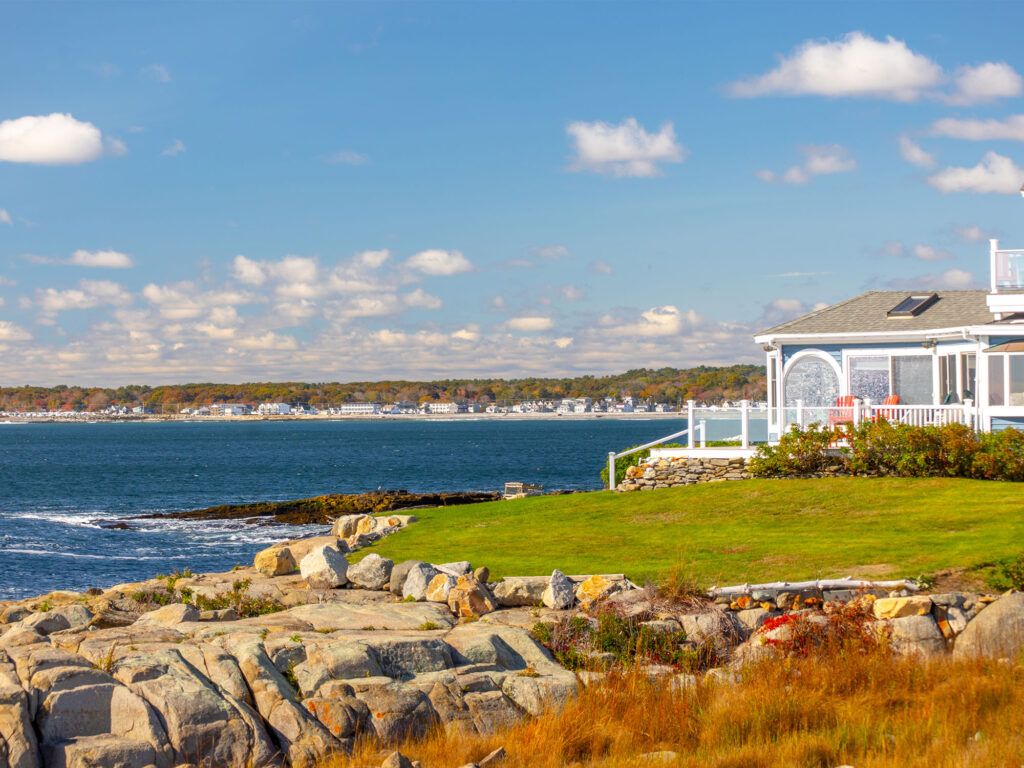
Rather than fighting local planning regulations, the most celebrated new builds find harmony with their environment. Leading custom home builders adopt passive design principles to create structures that connect directly to the coastal setting. They employ natural materials like native timber, coastal stone, and expansive glass to soften the visual impact of a modern mansion.
This ongoing design dialogue ensures that the suburb avoids losing its soul to rapid property development. Buyers secure their modern coastal luxury without erasing the historical charm of the surrounding streetscape. By holding onto a progressive design history, the community demonstrates that a region can embrace the future while protecting its visual identity.