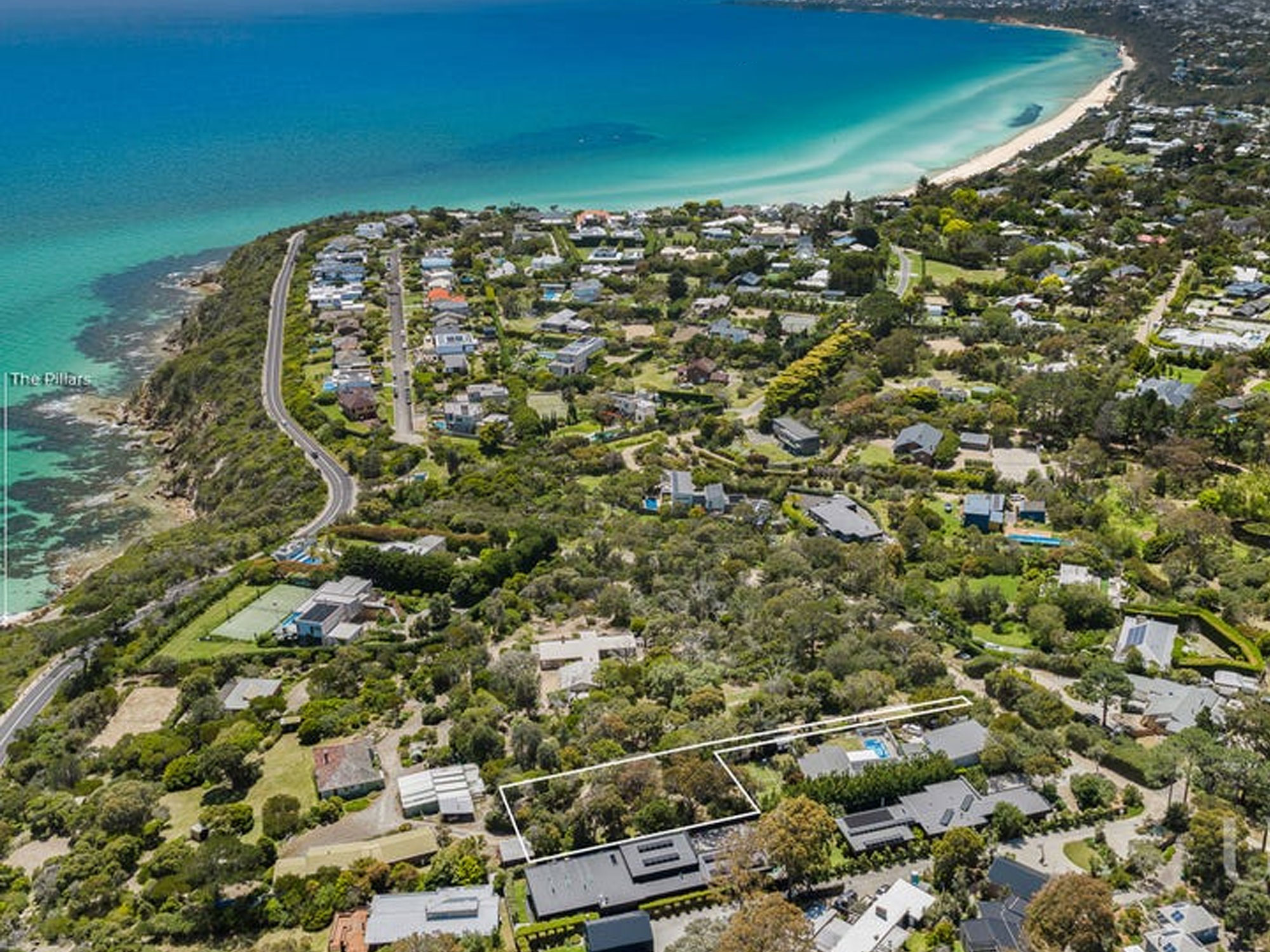
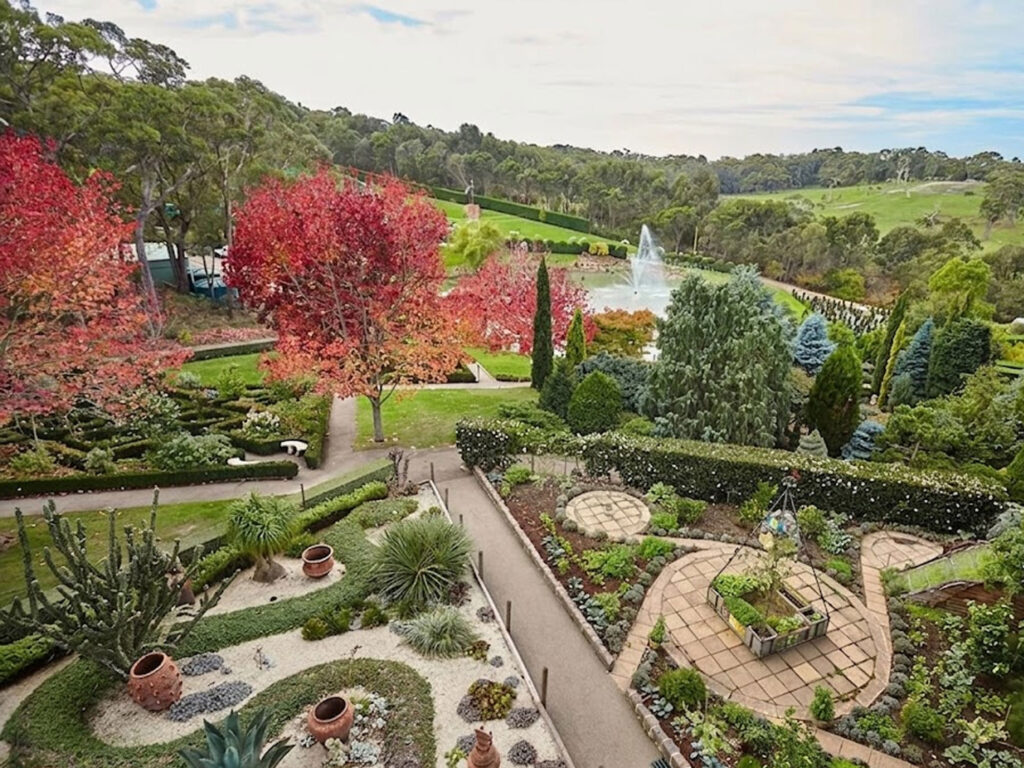
Cultivating a garden on the Mornington Peninsula requires a close understanding of the local environment. In Crib Point, the landscape transitions smoothly between coastal fringes and heathy woodland areas. Gardeners who embrace indigenous flora find that their outdoor spaces flourish with minimal intervention and provide long-lasting beauty.
Local plants have spent thousands of years adapting to the specific sandy loam and maritime weather patterns of the region. Understanding this unique environmental profile is the first step toward successful planting. According to the Mornington Peninsula Shire, the broader region supports nearly 700 distinct species of indigenous plants.
Selecting appropriate coastal species
Choosing the right trees and shrubs forms the structural foundation of a resilient landscape. Species such as the Black Sheoak and the Coast Banksia offer excellent wind protection while remaining entirely suited to the coastal climate. For understorey planting, the Sweet Bursaria provides delicate flowers and essential shelter for small birds.
These native varieties require a fraction of the maintenance demanded by exotic species. Once established, they rely almost entirely on natural rainfall, which reduces household water consumption significantly. Consulting the local native plant guidelines published by the Mornington Peninsula Shire ensures that gardeners source the most appropriate plants for their specific terrain.
Designing natural wildlife corridors
A native garden offers environmental value that extends far beyond residential boundaries. Thoughtful planting creates essential biolinks, which connect fragmented habitats and allow local wildlife to move safely across the landscape. In the Crib Point area, organisations such as the Mornington Peninsula Koala Conservation group actively encourage property owners to plant specific canopy trees.
These indigenous corridors provide critical food sources and safe passage for native fauna. When residents plant targeted native species, they directly support the broader ecosystem of the Mornington Peninsula. The simple act of cultivating an indigenous shrub transforms a private backyard into a vital sanctuary for native birds, insects, and marsupials.
Cultivating an enduring landscape
Establishing an indigenous garden requires a slightly different approach to traditional landscaping. Native plants generally prefer undisturbed soil and rarely need commercial fertilisers to thrive. Preparing the ground simply involves thorough weed removal and applying a thick layer of natural mulch to retain moisture during the warmer months.
Sourcing young plants from specialised local nurseries yields the best long-term results for residential gardens. These small specimens establish their root systems quickly and adapt to the local soil conditions much faster than mature plants. Over time, an indigenous garden in Crib Point matures into a self-sustaining landscape, which beautifully reflects the authentic environmental character of the region.