Balancing access and ecology
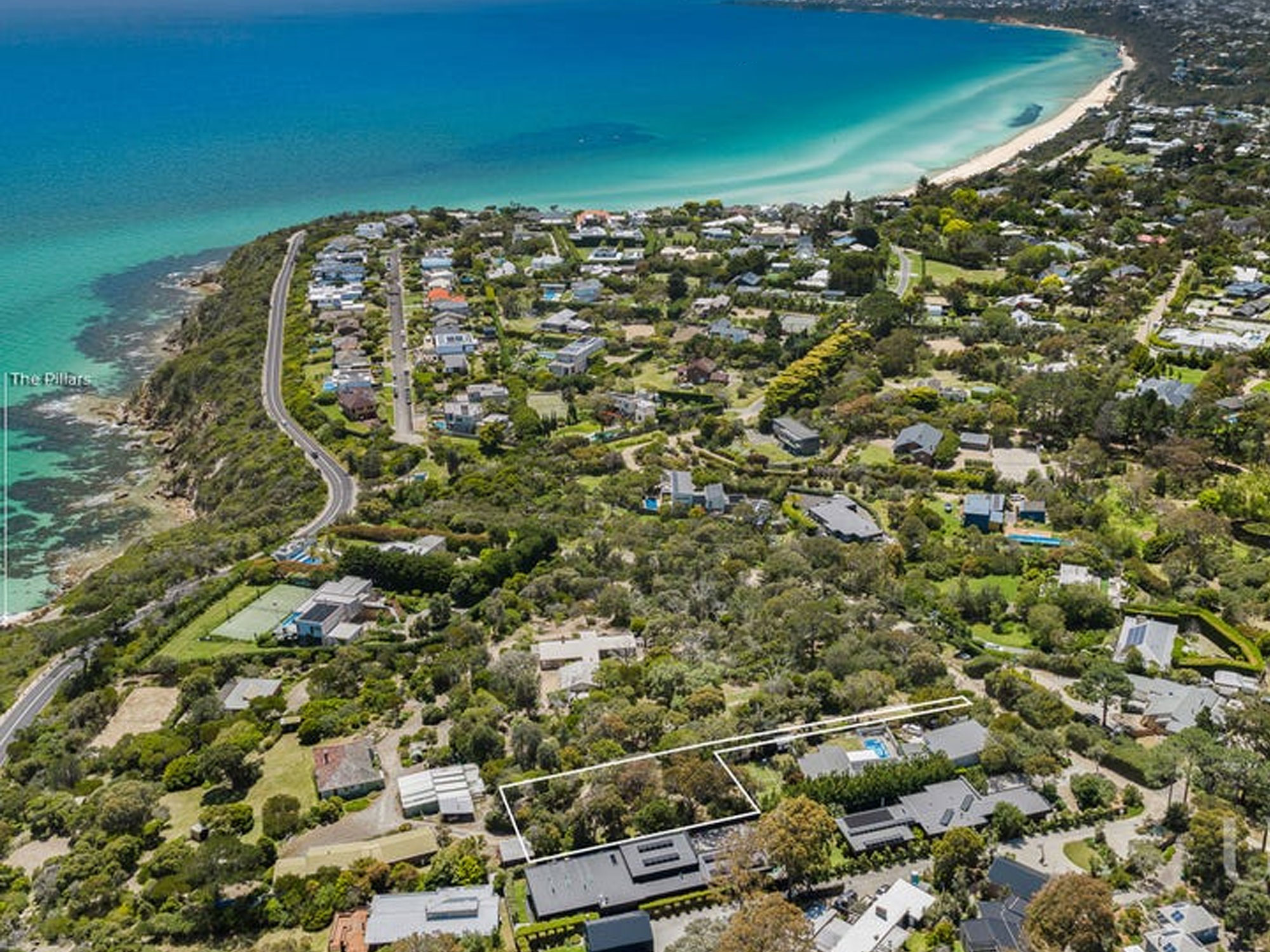
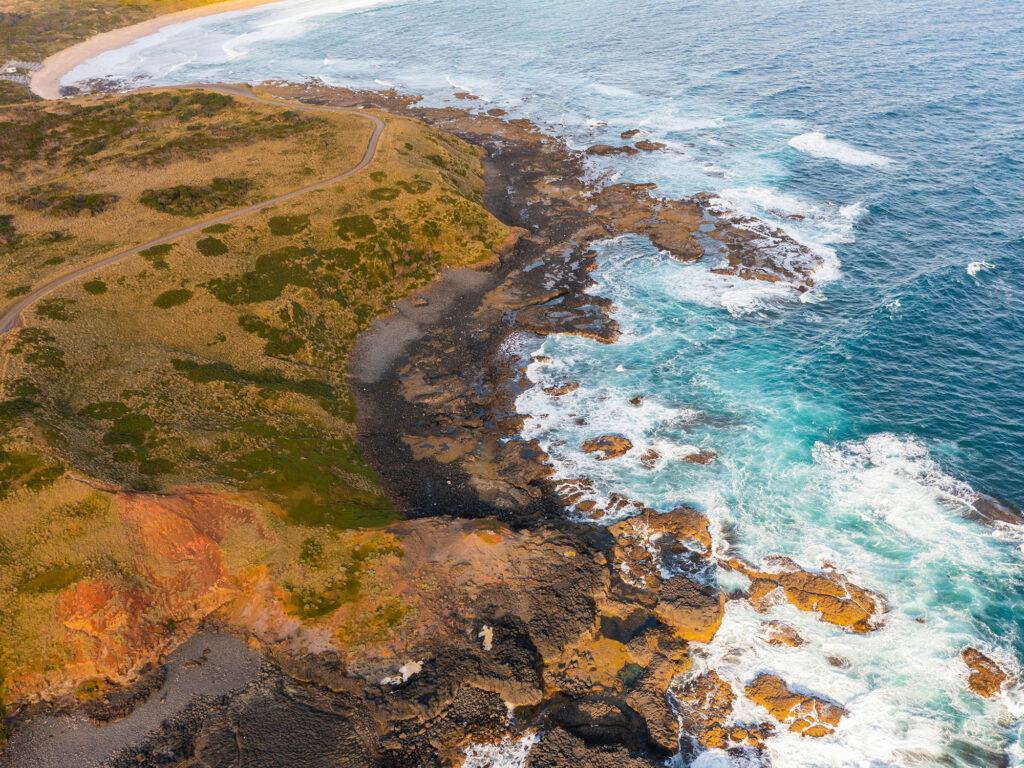
The southern tip of the Mornington Peninsula is a landscape shaped by relentless wind and wild oceans. At Cape Schanck, striking basalt cliffs drop sharply into the turbulent waters of Bass Strait, where Pulpit Rock stands as a dominant geological feature. This imposing sea stack formed from cooling lava over 60 million years ago, creating a striking focal point against the horizon.
For generations, locals and visitors have navigated the steep descent to view this rugged formation up close. However, heavy foot traffic along the sensitive coastline inevitably takes a toll on the surrounding ecosystem, as coastal heath scrub faces constant pressure from eroding soil, harsh salt spray, and daily human impact. The native flora struggles to regenerate when off-track walking disturbs the shallow, fragile topsoil.
The solution lies in thoughtful, low-impact infrastructure. The winding wooden boardwalk and staircase serve a crucial dual purpose for the reserve by guiding walkers safely down the cliff face to Pebble Beach while actively shielding the delicate vegetation from destruction. According to conservation guidelines outlined by Parks Victoria, remaining strictly on these constructed tracks is essential to minimise damage to the recovering landscape.
The ongoing work of coastal management
Maintaining this delicate equilibrium requires continuous effort and investment. The coastal environment is naturally unforgiving, meaning the timber infrastructure requires regular attention to withstand the harsh marine elements. Proactive environmental stewardship is the only way to safeguard this rugged headland for future generations.
According to a regional guide published by The Peninsula Insider, ongoing site upgrades to the Cape Schanck visitor precinct include track resurfacing, improved lookouts, and extensive boardwalk repairs. These conservation efforts ensure the path remains secure against the constant threat of severe coastal erosion. Upgrading the structural integrity of the timber also prevents ambitious walkers from forging dangerous new trails through the recovering flora.
The physical layout of the boardwalk naturally dictates the rhythm of the descent. It forces a much slower pace, which encourages walkers to pause frequently at designated viewing platforms so the massive scale of the geological formations becomes completely clear. Visitors can easily observe the powerful hydraulic action of the waves crashing against Pulpit Rock and the adjacent Devils Desk without disturbing the surrounding habitat.
A sustainable future for the headland
Protecting the landscape goes far beyond simple track maintenance, reflecting a broader, long-term commitment to preserving the natural heritage of the Mornington Peninsula. The raised boardwalk acts as a literal physical boundary between human curiosity and ecological vulnerability. It allows people to experience the raw power of the ocean without leaving a permanent footprint on the earth.
As aggressive coastal erosion continues to shape the shoreline, the supporting infrastructure must constantly adapt. Keeping the trail well maintained guarantees that these spectacular ocean views remain safely accessible. The careful management of the Pulpit Rock boardwalk ensures that the dramatic beauty of Cape Schanck remains wild, untamed, and securely protected.