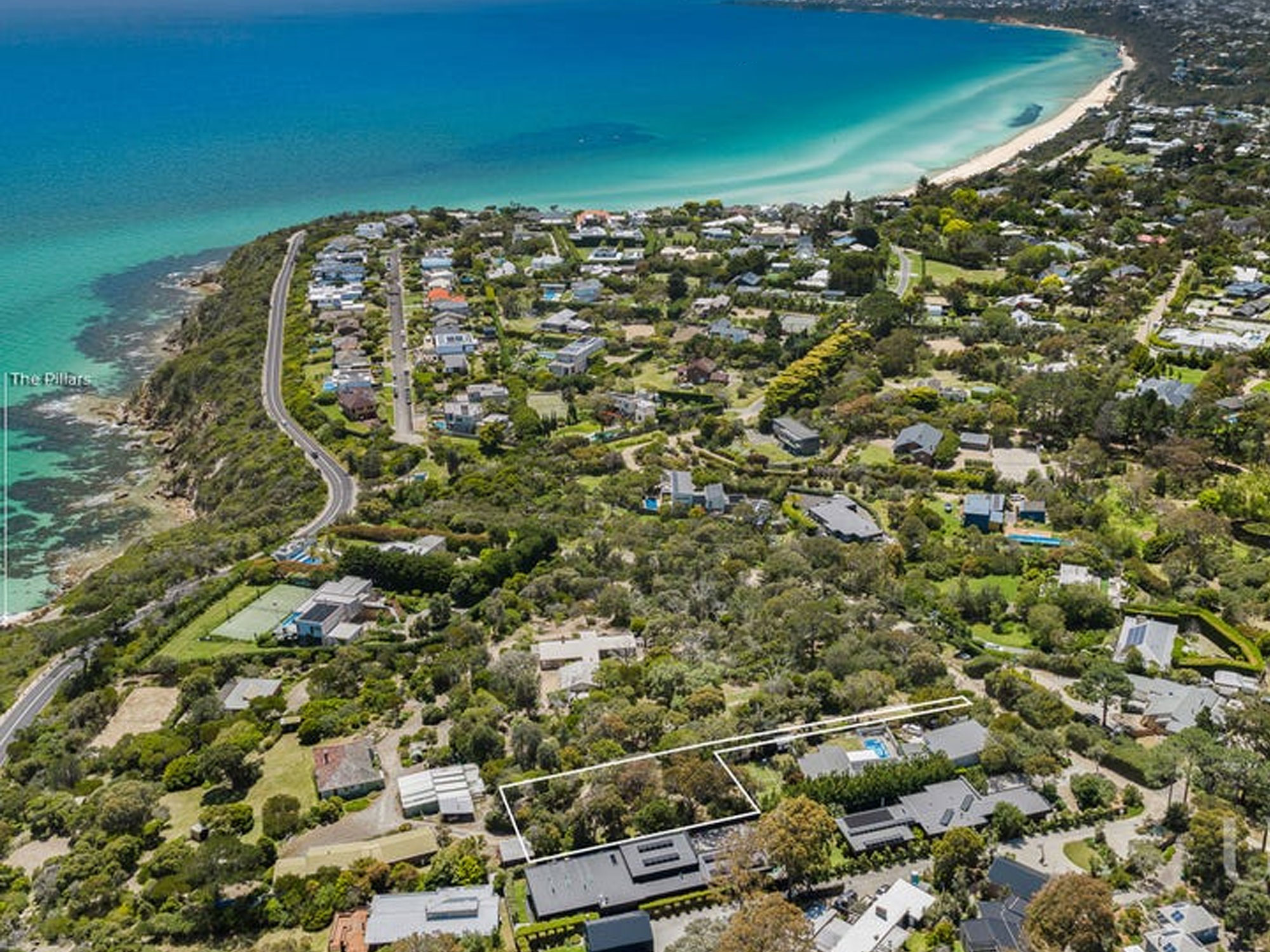

The landscape of Mount Eliza is defined by its sweeping coastal views and dense woodland canopies. Creating a successful garden in this environment requires an approach that respects the local climate and sandy soils. Homeowners are increasingly moving away from thirsty exotic lawns to embrace sustainable landscaping practices that prioritise indigenous flora.
Understanding the local soil and climate
The Mornington Peninsula presents unique environmental conditions for residential gardeners, as properties in Mount Eliza often experience elevated coastal winds and variable rainfall. Working with the natural landscape rather than fighting against it forms the foundation of any sustainable outdoor space. Incorporating drought tolerant native plants ensures a resilient garden that requires minimal long term maintenance.
The Mornington Peninsula Shire encourages residents to select local native species that provide crucial habitats for local wildlife. Plants like the coast banksia and the striking moonah tree thrive in these specific coastal conditions. These resilient species establish deep root systems that anchor the sandy soil and reduce erosion.
Curating a resilient plant palette
A carefully planned native garden balances form, function, and environmental responsibility. Low growing species such as cushion bush and hop goodenia offer excellent ground cover while tolerating extended dry periods, requiring significantly less water than traditional ornamental plants. Choosing site specific flora also helps to connect residential backyards with broader conservation efforts across the Mount Eliza woodland area.
Sourcing plants propagated from locally collected seeds further enhances the environmental value of a garden. Community members often rely on dedicated local facilities, such as the Briars Nursery, to find grasses, wildflowers, and shrubs suited to the precise ecological vegetation class of their street. This careful selection process ensures new plantings seamlessly integrate with the established local landscape.
Sustainable practices for long term growth
Sustainable gardening extends far beyond initial plant selection. Retaining green waste on the property through composting and worm farms enriches the soil naturally and eliminates the need for synthetic fertilisers. Many Mount Eliza homeowners process their garden clippings into mulch, which helps retain soil moisture during the warmer months.
Processing organic matter back into the earth creates a closed loop system that supports long term ecological health. Healthy, nutrient dense soil naturally increases a plant resistance to local pests and environmental stress.
Efficient water management remains another crucial aspect of an environmentally friendly backyard. Installing smart irrigation systems and grouping plants with similar water requirements ensures that moisture is delivered precisely where it is needed. Furthermore, utilising permeable surfaces for driveways and garden paths allows rainwater to naturally filter back into the water table, creating enduring landscapes that celebrate the region.