A geological advantage
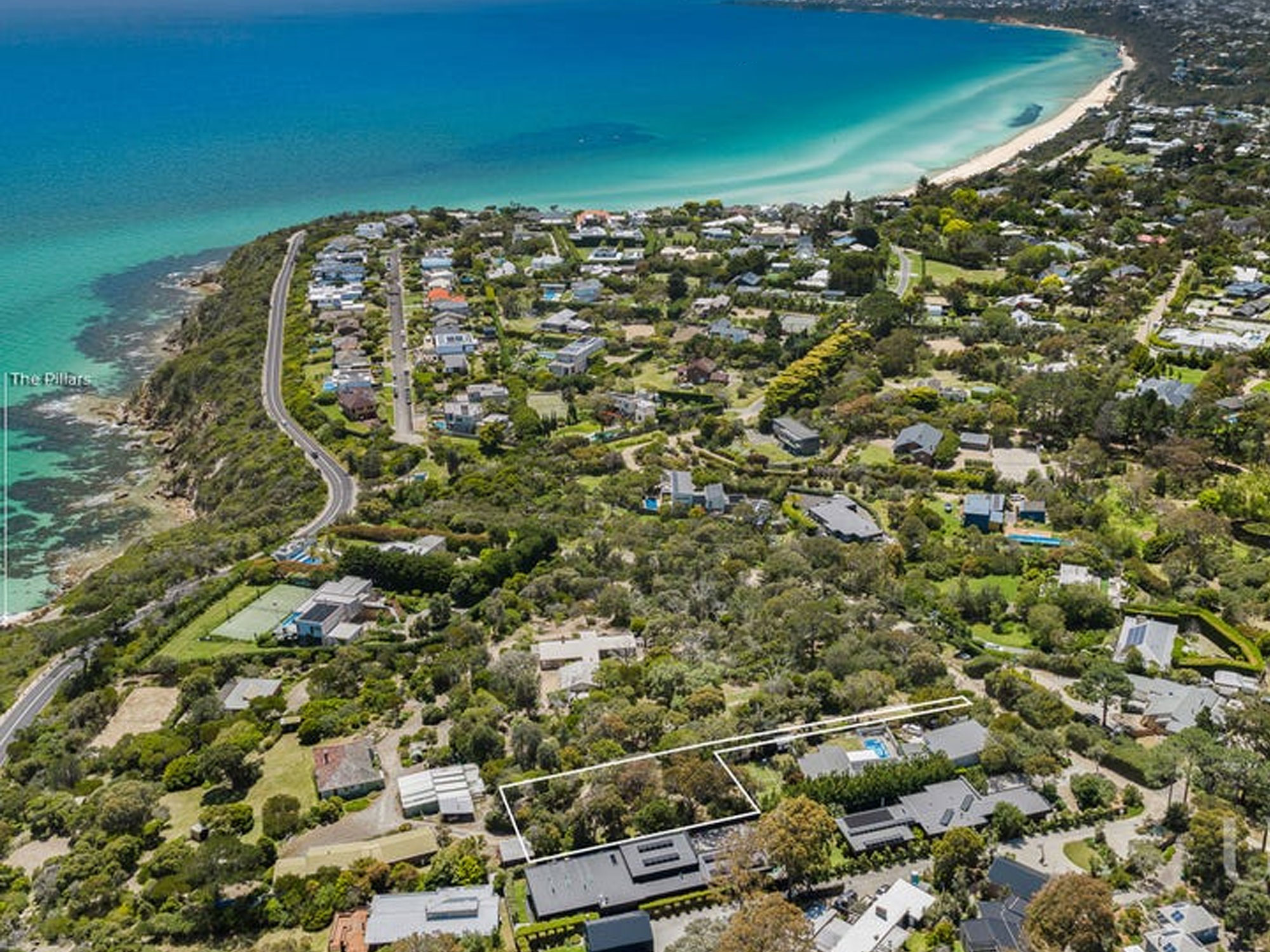
The agricultural backbone of Red Hill relies on a distinct geological advantage. Ancient basaltic rocks beneath the surface have weathered over millions of years to create the region’s signature red and brown Ferrosols. These fertile volcanic soils provide an exceptional foundation for both commercial vineyards and private home gardens across the Mornington Peninsula.
Despite this natural advantage, continuous planting gradually depletes vital nutrients from the earth. Effective soil management requires regular replenishment, making organic composting an essential practice for dedicated local gardeners. By transforming household food waste into nutrient-rich humus, residents can sustain their garden beds without relying on commercial synthetic fertilisers.
Sustainable practices at home
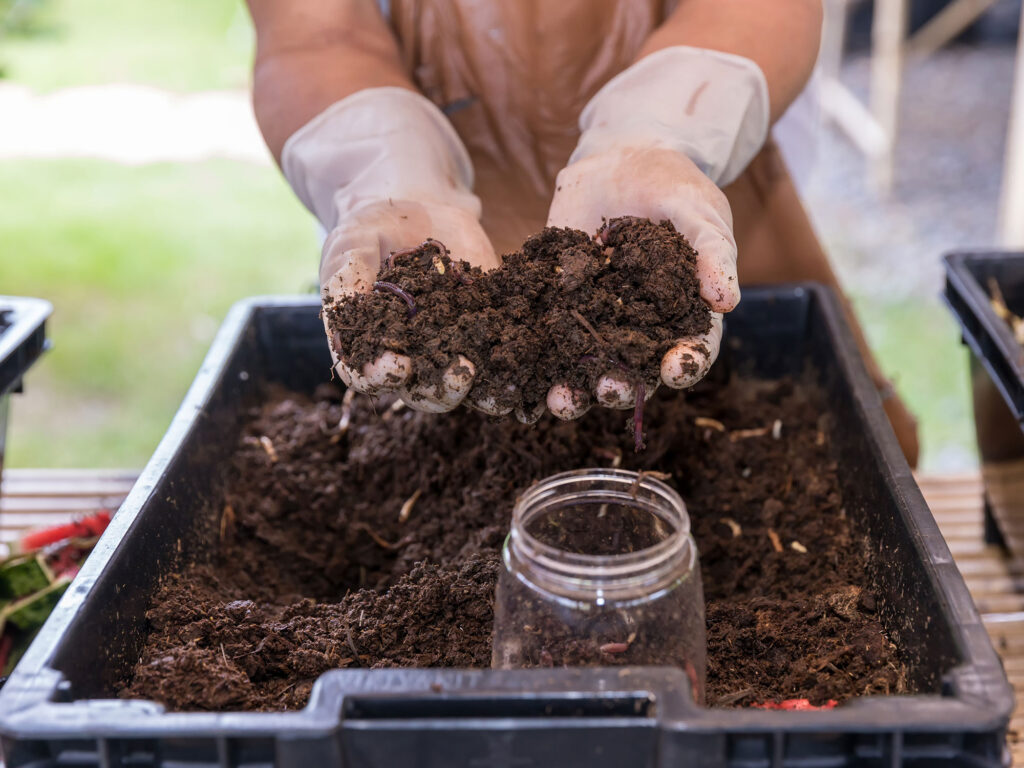
The Mornington Peninsula Shire actively encourages households to embrace home composting to reduce municipal landfill waste. Installing a backyard compost bin or a dedicated worm farm allows residents to capture valuable organic matter before it leaves the property. This simple daily habit directly improves local soil structure and significantly boosts water retention during dry coastal summers.
Prominent local estates demonstrate how effectively organic recycling works when scaled up. Green Olive at Red Hill processes all its used coffee grinds directly into compost, feeding a vast expanse of produce gardens and olive groves. Their commitment to returning organic waste to the earth highlights a closed-loop agricultural philosophy that domestic gardeners can easily replicate.
Nearby, Montalto operates an expansive kitchen garden grounded entirely in permaculture design. Their horticultural team relies heavily on continuous composting to maintain soil health across their large property. Observing these successful commercial systems offers valuable, practical inspiration for residential growers looking to increase their own vegetable yields.
Building the perfect balance
Building a productive compost system requires a careful balance of nitrogen-rich green waste and carbon-heavy brown materials. Local gardeners frequently supplement their daily kitchen scraps with dry autumn leaves, untreated lawn clippings, and natural wood chips. Suppliers like Red Hill Garden and Farm Supplies provide the necessary raw materials to help residents correct their soil composition.
The cool, maritime climate of the peninsula dictates the pace of the natural decomposition cycle. During the colder winter months, microbial activity slows down, meaning outdoor compost piles require more time to mature. Insulating the bins and ensuring they receive adequate winter sunlight helps maintain the internal heat necessary for efficient breakdown.
Maintaining soil health
A well-maintained compost heap should smell like an earthy forest floor rather than spoiled food. Turning the pile with a pitchfork every few weeks introduces oxygen, which accelerates the breakdown process and prevents unwanted odours. Over several months, the raw garden and kitchen materials decompose into a dark, crumbly soil conditioner.
Integrating homemade compost into residential garden beds fosters a resilient micro-ecosystem that resists disease and supports robust plant growth. It intimately connects individual households to the broader agricultural rhythm that defines Red Hill. Through mindful organic recycling, residents play an active role in preserving the enduring natural abundance of their local environment.